

Essential Cybersecurity Measures for Defense Industrial Base Contractors

Cybersecurity is a growing challenge for contractors in the defense industrial base. Safeguarding sensitive information and maintaining compliance with standards like CMMC are not optional—they’re critical for securing contracts and protecting national security. With the right tools and strategies, contractors can reduce risks and build trust with partners while navigating today’s complex threat landscape.

Endpoint Protection Tools for Securing Devices

Securing devices connected to a network is one of the most critical steps in any cybersecurity strategy. For defense contractors, endpoint protection tools provide a shield against malware, ransomware, and other malicious attacks targeting vulnerable endpoints like laptops, tablets, and mobile devices.

Modern endpoint protection systems go beyond traditional antivirus software. They offer advanced features like real-time threat detection and behavior analysis to identify unusual activity before damage occurs. Contractors who undergo CMMC assessments can integrate these tools to meet compliance requirements while enhancing overall device security. Choosing the right endpoint protection solution tailored to specific operational needs is key to minimizing threats and staying compliant with CMMC guidelines.

Network Segmentation Strategies for Limiting Access

A flat network structure can leave an organization vulnerable to widespread attacks, where a single breach can compromise multiple systems. Implementing network segmentation strategies helps limit access, creating distinct zones within a network and restricting user permissions based on roles and responsibilities.

For contractors preparing for CMMC assessments, segmentation aligns with requirements for access control and data protection. By separating critical systems from less sensitive ones, contractors can ensure that even if one segment is breached, the rest of the network remains secure. A trusted CMMC consultant can guide organizations in implementing segmentation that aligns with both operational goals and compliance standards, reducing risk and maintaining an efficient network structure.

Encryption Protocols for Safeguarding Communications

Unprotected communication channels are a significant vulnerability for contractors handling defense-related data. Encryption protocols ensure that sensitive information shared across email, messaging systems, or cloud platforms remains secure from unauthorized access.

Modern encryption methods convert data into unreadable formats during transmission and storage, only allowing access to authorized users with the correct decryption keys. For organizations navigating CMMC requirements, deploying strong encryption protocols demonstrates a proactive approach to data security. Additionally, encrypted communications provide peace of mind when working with partners and clients, showing a commitment to safeguarding every level of sensitive information.

Multifactor Authentication Systems for Enhanced Identity Verification

Passwords alone are no longer sufficient to protect user accounts and systems from unauthorized access. Multifactor authentication systems add an extra layer of security by requiring users to verify their identity through multiple factors, such as a password, a device-generated code, or biometric data.

For defense contractors, this step can make a significant difference in reducing the risk of compromised credentials. It also aligns with CMMC assessment requirements for access control and system integrity. Multifactor authentication is especially valuable for remote workers or those accessing systems from various locations. Implementing this measure helps contractors establish robust identity verification practices that protect against unauthorized access and potential breaches.

Data Backup Solutions for Preventing Information Loss

Data loss can occur due to cyberattacks, accidental deletion, or hardware failure, all of which can have devastating consequences for defense contractors. Implementing reliable data backup solutions ensures that critical information can be recovered quickly and efficiently, minimizing downtime and disruption.

Modern backup systems offer automated, secure, and offsite storage options that align with CMMC compliance requirements. These solutions not only protect against data loss but also provide a clear recovery plan in case of incidents. Contractors can work with a CMMC consultant to develop a backup strategy tailored to their specific operational needs, ensuring that they are prepared for any scenario. Regularly testing backup systems for effectiveness is equally essential to maintain confidence in recovery capabilities.

Threat Intelligence Sharing for Proactive Defense

The ability to anticipate threats before they occur is a powerful advantage in cybersecurity. Threat intelligence sharing allows contractors to stay ahead of emerging risks by exchanging information about potential vulnerabilities, attack patterns, and security trends with trusted partners and industry groups.

For defense industrial base contractors, this practice plays a crucial role in fostering a proactive security culture. Sharing insights with others enhances collective defenses and ensures that no one is left unprepared for new threats. Additionally, threat intelligence sharing aligns with the collaborative spirit encouraged by CMMC assessments, demonstrating an organization’s commitment to not just internal security but the broader defense ecosystem.

Why Flexibility Is the Ultimate Benefit of VPS Hosting?

As you may know, virtual server hosting has always been a popular choice among website owners. It is a web hosting service that offers a balance between shared and dedicated hosting.

In VPS hosting, a physical server is partitioned into multiple virtual servers using virtualisation technology. These virtual servers house websites and web applications, creating a small replica of dedicated servers.

If you are choosing web hosting in India and want a flexible and reliable solution, you can rest assured that VPS hosting is your ultimate choice.

Let’s discuss how flexibility is one of the best benefits of VPS hosting.

The Flexibility of VPS Web Hosting: The Best Advantage of VPS Hosting

●        Complete Root Access

VPS hosting offers full root access so you can configure and set up the server according to your preferences. This allows you to install, run, manage, modify and change tools on your server. This feature of the VPS server benefits you by offering adequate flexibility to optimise your server to personalise performance.

●        Server Isolation

Unlike shared hosting servers, which are directly shared by multiple websites, VPS hosting servers are not shared. With the help of virtualisation, the physical server is divided into numerous virtual servers. This allows housing multiple websites without physical sharing of the server.

Your server’s isolated structure also allows more control over server management, maintenance and configuration. Isolation secures the server and offers more freedom.

●        Freedom of Choice

With VPS web hosting, you have the flexibility and freedom to opt for tools and technologies of your choice. This means you can choose your preferred operating system, control panel, hosting application, security software and other things. This flexibility especially caters to your business’s specific needs.

●        Liberal Server Management

As mentioned above, you can enjoy all the perks of an isolated server, including freedom of server management with VPS hosting. You determine your server monitoring, security, software update, data backup, disaster recovery and periodic scan protocols.

This hands-on control allows for quick responses to changing needs and proactive server maintenance.

●        Third-Party Collaboration

With VPS hosting, you can seamlessly integrate your servers with third-party tools and services. This enhances your website’s capabilities while still maintaining server flexibility.

●        Access Hierarchy

Another flexibility that VPS hosting allows you is access hierarchy. With access hierarchy systems, you can create multiple accounts, assign tasks to specific users and limit their server entry to that particular level.

This not only enhances your server’s security but also offers more control over your server’s management and operational tasks.

The hierarchy feature comes in handy for enterprises that need multiple users to interfere with the server, such as website developers or designers, IT support staff, administrators and others.

●        Seamless Resource Scalability

Another flexibility feature and benefit of VPS hosting is seamless scalability. You can adjust, upgrade and increase CPU, RAM, storage, and bandwidth without affecting your server’s functionality or website’s performance.

Scalability is one of the most important features a web hosting plan can offer, and VPS hosting packages are generous when it comes to resource scaling. That is, of course, provided you find a reliable provider.

Summing it Up!

VPS web hosting is one such solution that offers flexibility in every aspect of hosting. Choose VPS hosting if you prioritise flexible customisation, personalisation and optimisation of the server.

Flexibility remains a standout feature and benefits for any web hosting service type. Solutions that do not offer flexibility are tossed out of options by people and enterprises who want dynamic and evolving services.

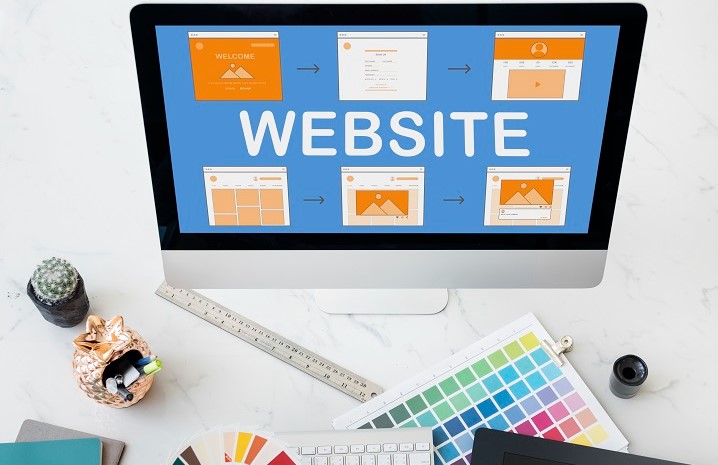
Types of Effective Website Design

If you are like most business owners, you must know that having a website is essential to ensure success. However, figuring out what to do with that website can be complicated. You have bought a domain and hosting plan, but what’s next?

There are so many types of web design services options and decisions to make, and it is easy to get overwhelmed. This blog will discuss several effective types of web design NZ that are available.

What is Web Design?

Web design is the process of maintaining, creating and planning a website. It encompasses everything from the website’s navigation and layout to its content and colour scheme.

And while this might seem like a lot of work, designing a site does not have to be expensive or complicated. In fact, with some creativity and planning, you can create a stylish and functional website.

Types  of Website Design Services

1. Clean and Simple Design

A clean and simple website design is ideal for businesses that want to project a sophisticated and professional image. This type of website design is known as minimal and is all about keeping things orderly and neat, which can give your website a modern and sleek look. To create a clean and simple website design, use plenty of simple colours, clean lines, and whitespace.

2. Mobile-Friendly Web Design

With more individuals using tablets and smartphones to access the Internet, it is important to ensure your site is designed for mobile devices. A mobile-friendly website will have a layout that is easy to navigate and read on a small screen and tap targets that are big enough to be tapped with a finger.

3. Single-Page

Single-page web design has been around for a long time. It is concise, clean, and easy to navigate. It is also user-friendly, which is why several businesses are making the switch.

However, there are a few factors to remember before jumping on the single-page web design bandwagon. Firstly, single-page web designs can be complex to optimise for search engines. Secondly,  single-page web designs are not always the best option for mobile users. But if you take adequate time to do things right, single-page web design can be an excellent way to showcase your business online.

4. Skeuomorphic Design

Skeuomorphic design is a type of website design identified by realistic textures and three-dimensional graphics. This style usually makes sites look more like traditional offline apps. For instance, the trash icon on a MacBook is skeuomorphic, as it is designed to look more like a real trash can.

Skeuomorphic web design can be traced back to the early days of personal computing when users were unfamiliar with digital interfaces. The menus and icons were designed to look like real-world objects to help users understand their functions.

Over time, this web design approach has fallen out of favour because users have become more confident with digital interfaces. However, some web designers still believe that skeuomorphic web design can be helpful in certain circumstances.

To Wrap It Up

So, which type of website design will you choose? Will it be the retro classic look or the modern minimalist trend? Whichever you decide, remember your target customers and offer them a website they can be proud of.

At the end of the day, it is not about what looks trendy or cool—it is more about giving your customers an enjoyable experience that keeps them coming back for more.