Eligibility
The 2022 KIT funds are only available to Local Educational Agencies (LEAs) defined in AB 181 as school districts, county offices of education, and charter schools. Only LEAs that are a program sponsor of the U.S. Department of Agriculture’s NSLP or SBP will receive funding. A School Nutrition Program sponsor must have an approved written agreement with the CDE, Nutrition Services Division, a valid Child Nutrition Information and Payment System identification number on file, and be a fully-approved sponsor at the time the online opt-in registration form is due in order to be eligible for funding.
Funding is noncompetitive. Program sponsors of the NSLP or the SBP must register their interest in receiving these funds via an online survey by the deadline.
Guidelines
Timeline
Registration Form
Expenditures Overview
Freshly Prepared, Onsite Preparation of Reimbursable School Meals
Procurement
Reporting
Timeline
| Date |
Actions to Complete |
| November 1, 2022 (Tentative) |
KIT 2022 Opt-in registration released (Tentative) |
| November 30, 2022 (Tentative) |
KIT 2022 Opt-in registration deadline (Tentative) |
| June 30, 2025 |
Submit mandatory expenditure report |
| June 30, 2025 |
Funds expenditure deadline |
| Within 30 days of billing notice |
Deadline to return unused funds |
The 2022 KIT Registration Form (coming soon) reserves noncompetitive funding for kitchen infrastructure upgrades and training for food service staff. Anticipated release date of the 2022 KIT Registration Form is on or about November 1, 2022, and will be posted here when available. Funding allotments will be distributed to County Offices of Education for distribution to eligible LEAs on behalf of all eligible sites served by the LEA. LEAs should consider equipment and infrastructure needs for all sites to support implementation of California’s Universal Meals Program.
To receive these funds, eligible LEAs must submit an online opt-in registration form no later than 5 p.m., November 30, 2022 (tentative timeline; actual due date may vary based on online registration release date). This opt-in registration form must be submitted by an authorized representative of the agency; this is an individual currently on file in the Child Nutrition Information and Payment System.
Following submission of the opt-in registration form, applicants will receive a confirmation email from the CDE. Maintain this confirmation email for your records. If you do not receive a confirmation email within 48 hours of submission, please send an email to KITFunds@cde.ca.gov. Failure to notify KITFunds@cde.ca.gov within the specified timeframe may result in lack of funding availability for your agency.
Expenditures Overview
Please read this section closely. The 2022 allowable KIT funds expenditures are different than the previous year’s KIT funds. The 2022 KIT funds have an additional category of allowable expenses (compensation), expanded training and professional development categories, and allow infrastructure and training to be funded from the same award. All of these are funded through a single SACS code and Revenue code discussed in the Funding tab.
The 2022 KIT funds are awarded according to three calculations, see the Funding Formulas entry on the Funding Tab for more information. The 2022 KIT base funding and the meal service-based funds follow the same allowable expenditures. The third category of funding awarded to those LEAs submitting an attestation for onsite, freshly prepared meals has additional categories of allowable expenses.
Kitchen Infrastructure Funds
Kitchen infrastructure and equipment purchased with these funds must be for the use of the LEA’s food service department. Additionally, KIT funds must be used to supplement, and not supplant, any federal funds made available through the Child Nutrition Programs.
This funding can be used to purchase or repair equipment, or fund infrastructure improvements, including those needed to implement the Universal Meals Program, at the district, county office of education, or school-site level related to the following categories:
- Cooking equipment—including, but not limited to, electrical support and facility upgrades, combination ovens, dishwashers, steamers, or tilting skillets
- Note that when acquiring new cooking equipment, LEAs are encouraged, to the extent practicable, to acquire energy-saving electric and induction equipment rather than equipment that uses fossil fuels.
- Service equipment—including, but not limited to, service lines, point-of-sale systems, liquid beverage dispensers, reusable utensils, food trays and cups, and mobile carts
- Refrigeration and storage—including, but not limited to, system upgrades, walk-in refrigerators, freezers, and blast chillers
- Transportation of ingredients, meals, and equipment between sites—including, but not limited to, vehicles and equipment to prevent spoilage of food in transit
- Supporting infrastructure system needs for items described in the bullets above, such as electrical, plumbing, and construction
These funds may also be used for any eligible items already purchased, repaired, or installed since the date that this funding was approved, July 1, 2022.
For a more detailed listing of allowable and unallowable kitchen infrastructure expenses, review the Kitchen Infrastructure entries in the Allowable Expenses tab of this web page.
Food Service Staff Training
Trainings provided with these funds are for the benefit of food service staff at the district, county office of education, or school-site level. Funds should be used for food service staff that are employees of the LEA. The term “staff” is inclusive of food service managers.
Training and professional development topics for LEA food service staff may include:
- Expanding meal offerings
- Promoting nutritious foods, which may include training on minimally processed, freshly prepared onsite meals, locally and sustainably grown foods, plant-based foods, restricted diet foods, food preparation, healthy food marketing, and reducing food waste
- Changing the school lunchroom environment
Training can be achieved through a variety of methods. When selecting training methods, keep in mind that the purpose of these funds is to build skills and develop capacity for food service staff. LEAs should also consider food service training needs for the implementation of the Universal Meals Program.
Examples of training methods may include:
- Group training: large group, small group, etc.
- Coaching and mentoring: one-on-one training, Train the Trainer, etc.
- Online training and learning
- Related courses/certifications: ServSafe, etc.
Additionally, these funds may be used to pay for staff travel and associated expenses (including, but not limited to, registration fees, airfare, car rental, meals, etc.) to travel to an allowable training. Follow your agency’s travel reimbursement policies and procedures when considering funding staff travel.
The LEA must keep records documenting trainings to include:
- Name of the training
- Date of training
- Description of the topic
- Agenda or learning outcomes
- Attendance, including the number and type (e.g., front line, managers, etc.) of staff trained
These funds must be used on expenditures that are reasonable, necessary, and allocable and must supplement, not supplant, any federal funds made available through the Child Nutrition Programs.
For a more detailed listing of allowable and unallowable training topics, review the Food Service Staff Training subheadings in the Allowable Expenses tab of this web page.
Staff Salaries
The 2022 KIT funding introduced a new category of allowable expenses. The legislation authorizes funds to be used to provide additional compensation for additional work relating to serving universal school meals that may include minimally processed, locally and sustainably grown foods, a plant-based or restricted diet food option, or a plant-based milk option.
This category of allowable expenses supports LEAs with a short-term funding stream to offset increased staff costs associated with universal meals. Some examples of allowable expenses under this funding could include, but are not limited to:
- Additional costs associated with local procurement
- Farm to School Coordinator
- Food Service Staff Training Position
- Additional positions and overtime costs associated with new or expanded meal service
- Staff salary costs associated with hiring positions to support new or expanded meal service
Please note: Staff paid with KIT funds and federal Child Nutrition Funds are required to track time and activity in accordance with federal regulations and state policy. Please refer to CDE Management Bulletins Documenting Employee Time and Effort in the SNPs – School Nutrition and Equivalent Documentation for Multifunded Employees – School Nutrition.
The 2022 KIT also provides additional funds to LEAs that attest that no less than 40 percent of reimbursable NSLP and SBP meals, including the entree and grains, prepared each week, beginning in the 2023–24 school year, are freshly prepared onsite meals. Per AB 181, freshly prepared onsite meals means “food service in which the preparation of meals takes place on a daily basis at the site of consumption or in a central kitchen, using whole ingredients in their most basic, minimally processed form, or cooking with both fresh, raw, whole ingredients and ready-made products.”
These additional funds, if elected, must be used to support the planning and implementation of facility improvements and equipment upgrades to increase capacity for freshly prepared onsite meal preparation. Within the broad category of facility improvements and equipment upgrade, the allowable uses for these funds include the four previously-described categories of equipment-cooking, service, refrigeration and storage, and transportation of ingredients, meals, and equipment between sites, as well as costs for planning and implementing freshly prepared onsite preparation of reimbursable school meals, serving fresh and nutritious reimbursable school meals using California-grown food, or expanding reimbursable meal options for pupils with restricted diets. Note: this subset of funds can only be used for planning and implementation of facility improvements and equipment upgrades, and therefore, cannot be used for training or staff salaries.
Examples of equipment that would help to expand reimbursable meal options for restricted diets include:
- Additional sets of meal prep equipment such as cutting boards, utensils, mixing bowls, etc., to avoid cross contact with allergens
- Special equipment for blending/pureeing menu items for texture modified diets
- Salad bars that allow more variety for students with vegan or vegetarian diets
The CDE anticipates that there will be approximately $240 million to award to LEAs that provide attestation that at least 40 percent of the reimbursable meals they serve, including the entre and grain, by school year 2023–24 will be freshly prepared onsite. The award amount per agency will depend on the number of agencies that elect to participate.
Funding used for these expenses must not surpass the award for this portion of the 2022 KIT funds.
These funds are state General Fund monies. At a minimum, your LEA must follow all applicable procurement processes and guidelines, which may include, but are not limited to:
- Conducting procurements in a manner that is compliant with your LEA’s procurement procedures and that promotes full and open competition
- Complying with your LEA’s written standard (or code) of conduct that covers conflicts of interest, including organizational conflicts of interest, and governs the performance of employees engaged in the selection, award, and administration of contracts and purchases
- Maintaining records sufficient to detail the history of procurement. These records will include, but are not necessarily limited to, the following: rationale for the method of procurement, selection of contract type, contractor selection or rejection, and the basis for the contract price
- Maintaining all vendor invoices, and receipts
Keep in mind, these purchases may also fall under emergency procurement protocols while the Coronavirus (COVID-19) public health emergency declaration is in place.
As a condition of accepting these funds, LEAs must commit to completing a mandatory expenditure report. This report will gather details on how the funds were used to improve the quality of school meals or increase participation. This report will also gather information on the food service staff training topics and number of trainings and attendees. The CDE anticipates that this report will be submitted in the form of an online survey. This survey will be available by May 2025, and will be due by June 30, 2025.
Funding
Funding Announcements
Funding Mechanism and Timelines
Funding Formulas
Tracking Funds
Accounting
Expenditure Deadline
Funding Announcements
Funding awards will be located on the CDE Funding Results web page.
Funding Mechanism and Timelines
Following the timely receipt of the opt-in registration form, the CDE will release 100 percent of each LEA’s available funds.
The CDE will disburse funds to the County Treasurer’s Offices. Please be sure that the address you enter into the opt-in registration is your physical address. If your LEA is a part of an agency with multiple locations, enter your physical address and not the address of the headquarters.
Entering any address other than your physical address will cause a delay in payment.
Kitchen Infrastructure and Training (KIT) Funds must be expended by June 30, 2025.
Unused funds must be returned within 30 days of receiving a CDE billing notice.
This is a noncompetitive, voluntary funding opportunity. Eligible LEAs may decline these funds altogether, or may accept less than the total amount designated.
This funding must be used on “kitchen infrastructure upgrades that will increase a school’s capacity to prepare meals served through a federal school meal program, including for freshly prepared onsite meals, to serve fresh and nutritious school meals using minimally processed, locally grown, and sustainable food, or for expanding meal options for pupils with restricted diets.”
Total Amount of Funds Available to Distribute: $600,000,000
The award amounts are calculated according to three categories:
- Base Funding ($100,000): Each eligible LEA may request a noncompetitive, base funding level of $100,000 to use for kitchen infrastructure and equipment upgrades, food service staff training, and for additional compensation for additional work relating to serving universal school meals.
- Meal-Service-Based Award: After the base funding is awarded, fifty percent of the remaining funds are allocated proportionately to LEAs based on the total number of reimbursable meals served in October 2021 by the LEA. National School Lunch Program, School Breakfast Program and Seamless Summer Option Meals will be included in this calculation. These funds follow the same allowable categories of expenditures as the base funding.
- Attestation for Onsite, Freshly-prepared Meals Award: The remaining funds are allocated to LEAs that attest that no less than 40 percent of reimbursable NSLP and SBP meals, including the entree and grains, prepared each week, beginning in the 2023–24 school year, shall be freshly prepared onsite meals. Allocation of these funds is proportionate based on the number of reimbursable meals served in October 2021 by the LEA.
- These funds must be used for planning and implementation of facility improvements and equipment upgrades to increase capacity for freshly prepared onsite meal preparation. Allowable uses are for “kitchen equipment and infrastructure, training and professional development, and to provide additional compensation for additional work relating to serving universal school meals that may include minimally processed, locally and sustainably grown foods, a plant-based or restricted diet food option, or a plant-based milk option.”
Note: The funding approaches provided in this section are only an estimate and amounts awarded may change based on responses to the opt-in survey. Actual award amounts will be posted on the CDE Funding Results web page.
Tracking Funds
LEAs should not obligate or expend funds until the funds have been received and deposited into the LEAs account. However, you are encouraged to begin to develop an internal plan and process to help prepare for these expenditures.
Once an SFA receives the 2022 KIT Funds you are encouraged to deposit them into your agency’s general fund account. The KIT Funds should be accounted for, and tracked separately from, the nonprofit school food service account (also known as the cafeteria fund). If you deposit KIT funds into your Fund 13, KIT funds will take on the rules governing the cafeteria fund, which will result in less flexibilities for use.
Cafeteria funds can be used to supplement equipment purchased with Kitchen Infrastructure Funds, but additional federal requirements must be met, including:
- Written preapproval by the CDE,
- Federal procurement requirements, and
- Potential review by the CDE Nutrition Services Division during a School Nutrition Program Administrative Review.
Cafeteria fund expenditures not in compliance with federal regulation may be subject to disallowance.
The 2022 KIT funds can be used in combination with the 2021 KIT funds as long as the purchase meets the allowable expense requirements and funding expenditure timeframes for both funding sources. Ensure proper accounting and documentation for both the 2021 KIT Funds and the 2022 KIT Funds.
For more information on restrictions and regulations governing the use of cafeteria funds, please see the CDE Cafeteria Fund Guidance web page.
To request approval for cafeteria fund expenditures, please contact the Resource Management Unit at SNPCafeFundQuestions@cde.ca.gov.
Accounting
The CDE has created a new standardized account code structure (SACS) resource code to help you record the 2022 KIT Funds. Please ensure the revenue is deposited into the agency’s general fund using the resource code below:
SACS Resource Code: 7032
Revenue Object Code: 8520
The resource code is now available in the SACS tables of valid code combinations. If you have questions about the accounting for these funds using the new resource code, please contact the School Fiscal Services Division at SACSINFO@cde.ca.gov.
Also note that indirect costs are not an allowable expense for the 2022 KIT funds.
Funds must be expended by June 30, 2025. Unexpended funds must be returned to the CDE within 30 days of invoicing.
Allowable Expenses
Kitchen Infrastructure–Allowable Expenses
Below is a listing of allowable kitchen infrastructure expenses by the four categories noted in the law. This list is not exhaustive. Kitchen infrastructure and equipment purchased with these funds must be for the use of the LEA’s food service department. Kitchen infrastructure and equipment costs incurred must be reasonable and necessary.
Cooking equipment and supporting infrastructure system needs, includes but not limited to:
- Oven, range, stove, steamer
- Combi
- Convection
- Conventional
- Conveyor
- Countertop
- Double stack
- Griddle
- Heat-n-hold
- Holding unit
- Induction cooktop
- Range top
- Reel
- Rotating rack
- Tilt skillet
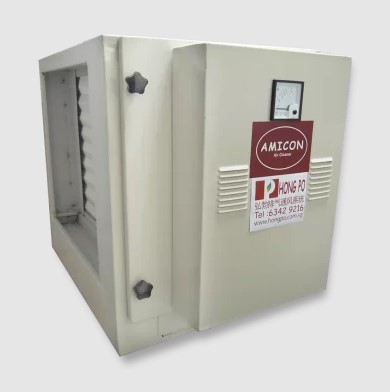
- Exhaust or condensate hood
- Countertop/floor mixer
- Hot or cold cart or cabinet
- Beverage service
- Buffet
- Holding
- Mobile
- Proofing
- Retherm
- Rolling
- Self-serve
- Serving
- Warming
- Kitchen sink
- Compartment
- Hand
- Utility
- Barbeque
- Braising pan
- Broiler
- Dough divider
- Food processor
- Food slicer, chopper, dicer, etc.
- Griddle
- Microwave
- Pizza oven
- Produce washers
- Smoothie blender
- Steam jacket kettle
- Bagging machine
- Cook or chill system
- Depositor and filling machine
- Drawer warmer
- Meal or food packing machine
- Shrink wrapper machine
- Stainless steel work tables
- Tray sealer machine
- Dishwasher
- Styrofoam recycling machine
- Electrical, structural, plumbing, and other facility upgrade support
Service equipment, includes but not limited to:
- Service lines
- Point-of-sale systems (pin pads, tablets, scanners)
- Mobile carts
- Food display (hot or cold)
- Menu boards (including digital)
- Hot well transport system
- Serving equipment
- Serving line system (hot or cold)
- Speed line (hot or cold)
- Cold pan serving counter
- Steam table
- Plate or tray dispenser
- Salad bar
- Tables or chairs
- Shelving
- Menu planning programs
- Nutrient analysis software
- Online payment systems
Refrigeration and storage, includes but not limited to:
- Walk-in refrigerators
- Walk-in freezers
- Blast chillers
- Camchiller
- Combo
- Glass door
- Ice chest
- Milk cooler
- Mobile
- Reach-in
- Roll-in
- Undercounter
- Work-top
- Inventory management systems and software, including items such as scanners, bar code readers, label makers, printers
- Temperature monitoring and management systems and software
- Backup generator for refrigerators
Transportation of ingredients, meals, and equipment between sites, includes but not limited to:
- Vehicles and equipment to prevent spoilage of food in transit
- Refrigerated truck
- Warmers
- Carts and hand trucks
- Forklift
Kitchen Infrastructure–Unallowable Expenses
While these funds are flexible, any infrastructure or equipment that does not meet their purpose, which is to “increase pupil access to, or improve the quality of, fresh and nutritious school meals,” or is not deemed reasonable and necessary is not allowable. Some unallowable expenses include:
- Indirect costs
- Murals
- Security systems
- Items or infrastructure not for the use of the LEA’s food service department
- Health inspections/pest services
- Heating/air duct maintenance
- Custodial services
Food Service Staff Training–Allowable Expenses
Trainings provided with these funds are for the benefit of food service staff at the district, county office of education, or school-site level. Funds should be used for food service staff that are employees of the LEA. Training costs incurred must be reasonable and necessary.
The LEA must keep records documenting trainings to include:
- Name of the training
- Date of training
- Description of the topic
- Agenda or learning outcomes
- Attendance, including the number and type (e.g., front line, managers, etc.) of staff trained
Below is a listing of allowable food service staff training topics. This list is not exhaustive:
- Minimally processed, freshly prepared onsite meals
- Locally and sustainably grown foods
- Restricted diet foods
- Food preparation and culinary skills
- Food safety
- Recipe standardization
- Scratch cooking
- Healthy food marketing
- Healthy beverage marketing
- Incorporating plant-based menu options
- Equipment training
- Farm to School or locally sourced foods
- Changing the school lunchroom environment and Smarter Lunchroom trainings
- Food waste management and reduction
- Student engagement in school meals and food environment design
- Policy, Systems, and Environmental Change strategies to promote healthy food
- How school wellness policies can promote healthy foods
- Menu planning for healthy food promotion
- Child Nutrition Program meal patterns
- Hosting a healthy food taste testing event
- Conducting nutrition education and healthy food promotion activities
- Promoting equity in the school lunch environment
Staff Salaries for Trainings
KIT funds may pay for staff salaries associated with trainings conducted during typical work time as well as trainings conducted outside of normal work hours.
- When there is a training during business hours, KIT funds can be used to pay for staff salaries and necessary substitute hours.
- When KIT-funded training results in staff overtime, KIT funds may be used to pay for the overtime associated with the training.
If internal staff are providing the training, KIT funds may be used to fund staff costs to develop and present the training; in this instance, it is important to ensure that only one funding source, federal or state funding, is charged for this time.
As a reminder, LEAs are responsible for the proper tracking and accounting for both federal and state funds associated with staff time and substitutes.
Consultants
KIT funds may pay for consultants hired to conduct trainings and build staff capacity to promote nutritious foods.
Professional Standards
To help clarify the use of KIT training funds in connection with professional standards, the NSD has outlined the following:
- Trainings that fulfill the KIT training purpose, and also address the U.S. Department of Agriculture’s (USDA) professional standards learning objectives for school nutrition professionals, can be paid for using KIT funds. Information regarding the USDA’s professional standards can be found on the USDA’s Professional Standards web page
 .
.
- Time spent in trainings that fulfill the purpose of the KIT training funds may also be counted towards the professional standards training requirements of USDA as applicable.
- If an eligible staff member is enrolled in a college degree program, KIT training funds cannot be used to pay for a degree program. However, KIT training funds can be used to pay for individual college courses that also meet the purpose of the KIT training funds.
Travel
To help clarify the use of KIT training funds for travel to allowable training opportunities, the NSD has outlined the following:
- KIT training funds can be used for applicable travel expenses (including, but not limited to, registration fees, airfare, car rental, meals, etc.) within or outside of California in order to attend trainings that meet the purpose of the KIT training funds.
- Travel expenses must follow the organization’s policies and be reasonable and necessary.
Food Service Management Companies (FSMC)
To help clarify if and when a local educational agency (LEA) can use KIT training funds to pay for an FSMC training, the Nutrition Services Division (NSD) has outlined the following:
- KIT funds must be used to train LEA food service staff. FSMC staff may attend if there is no resulting additional cost to the training.
- KIT training funds cannot be awarded to an existing FSMC to provide training if training is already a part of an existing contract. Any KIT-funded training provided by an FSMC must be above and beyond current contracted activities and trainings.
Food Service Staff Training–Unallowable Expenses
While these funds are flexible, any training that does not meet their purpose, which is “for food service staff to receive training on promoting nutritious foods, which may include training on food preparation, healthy food marketing, and changing the school lunchroom environment,” or deemed unreasonable and unnecessary, is not allowable. Additional food service staff training unallowable expenses include:
- Indirect costs
- Training that supplants the federally-required professional standards
- Training non-food service staff
- Hiring consultants to do the work of food service employees
- Note that this does not pertain to the use of substitute employees to work in place of staff attending trainings
- Memorabilia, gifts, or promotional items
- Food provided during training
- Logo apparel, uniforms
Additional Compensation for Additional Work Relating to Serving Universal Meals–Allowable Expenses
This category of allowable expenses supports LEAs with a short-term funding stream to offset increase staff costs relating to serving universal school meals that may include minimally processed, locally and sustainably grown foods, a plant-based or restricted diet food option, or a plant-based milk option. Some examples of allowable expenses under this funding include compensation related, but not limited to:
- Procurement of locally and sustainably grown foods
- Procurement, invoicing, accounts receivable
- Food Service Staff Training Position
- Additional positions, hours, and overtime costs associated with new or expanded meal service (costs can include salary and benefits)
LEAs should take care to maintain documentation that demonstrates that these costs are related to universal meals and that that workload is above and beyond that of past years.
Additional Compensation for Additional Work Relating to Serving Universal Meals–Unallowable Expenses
Unallowable expenses regarding this specific area include:
- Expenses that do not incorporate or relate to any of the required compensation categories, including minimally processed, locally and sustainably grown foods, plant-based or restricted diet food options, or plant-based milk options.
- Custodial and maintenance services
Freshly Prepared, Onsite Preparation of Reimbursable School Meals–Allowable Expenses
The 2022 KIT provides funds to LEAs that attest that no less than 40 percent of reimbursable NSLP and SBP meals, including the entree and grains, prepared each week, beginning in the 2023–24 school year, shall be freshly prepared onsite meals.
This additional funding focuses specifically on facility improvements and equipment upgrades to increase capacity for freshly prepared onsite meal preparation. Purchases may support use of California-grown foods in reimbursable school meals or expanding meal options for pupils with restricted diets. Note: this subset of funds can only be used for planning and implementation of facility improvements and equipment upgrades, and therefore, cannot be used for training or staff salaries.
Examples of equipment that would help to expand reimbursable meal options for restricted diets include:
- Additional sets of meal prep equipment such as cutting boards, utensils, mixing bowls, etc., to avoid cross contact with allergens
- Special equipment for blending/pureeing menu items for texture modified diets
- Salad bars that allow more variety for students with vegan or vegetarian diets
Freshly Prepared, Onsite Preparation of Reimbursable School Meals–Unallowable Expenses
Unallowable expenses regarding this specific area include:
- Any unallowable expenses as described in the above sections
- Procurement activities and costs associated with purchasing food grown outside the state of California
- Training
- Staff compensation
- Expenses that do not incorporate areas relating to freshly prepared meals on site, or using California grown foods, or expanding meal options for pupils with restricted diets.
For questions about expenses not listed, email KITfunds@cde.ca.gov. Please include the name or type of infrastructure, equipment, or training in question and include a brief justification for how it meets the objectives of this funding.